MED took over the coordination of NEI Évora 2026
The latest edition of NEI in the city of Évora attracted around 1,860 visitors, 470 researchers and over a hundred activities, as part of a programme organised in collaboration with all the R&D units at the University of Évora, Évora City Council and a wide network of partners.
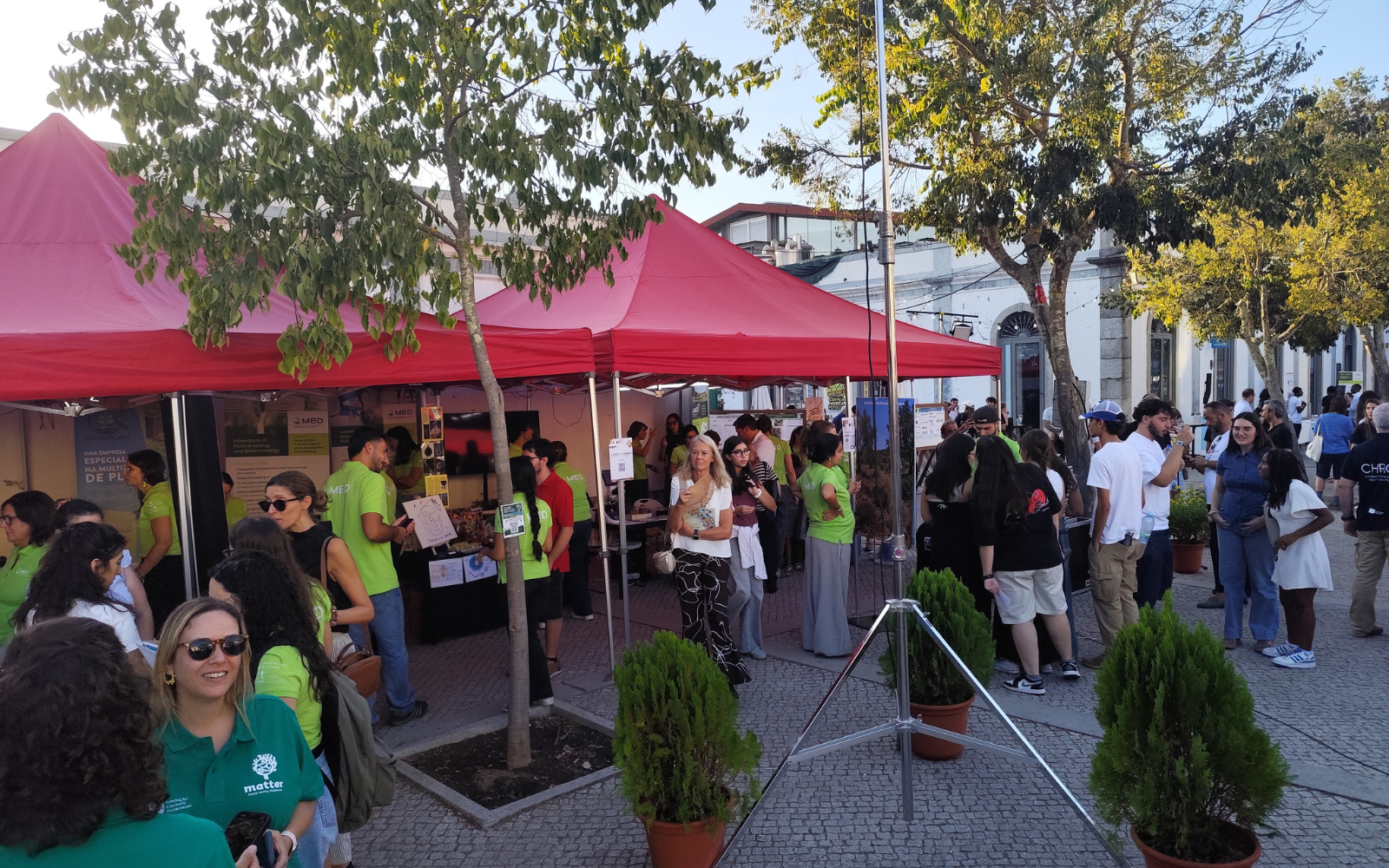
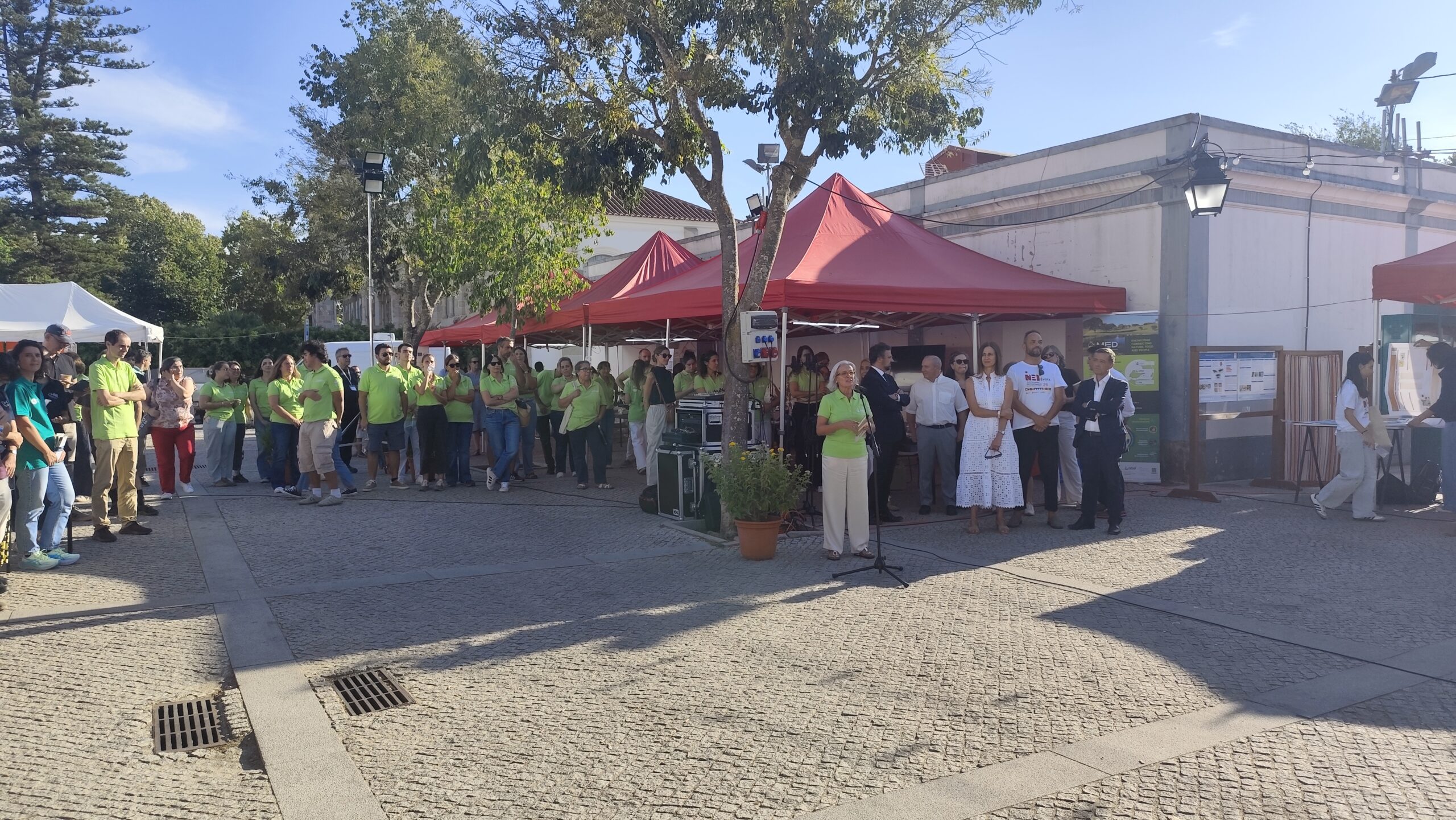
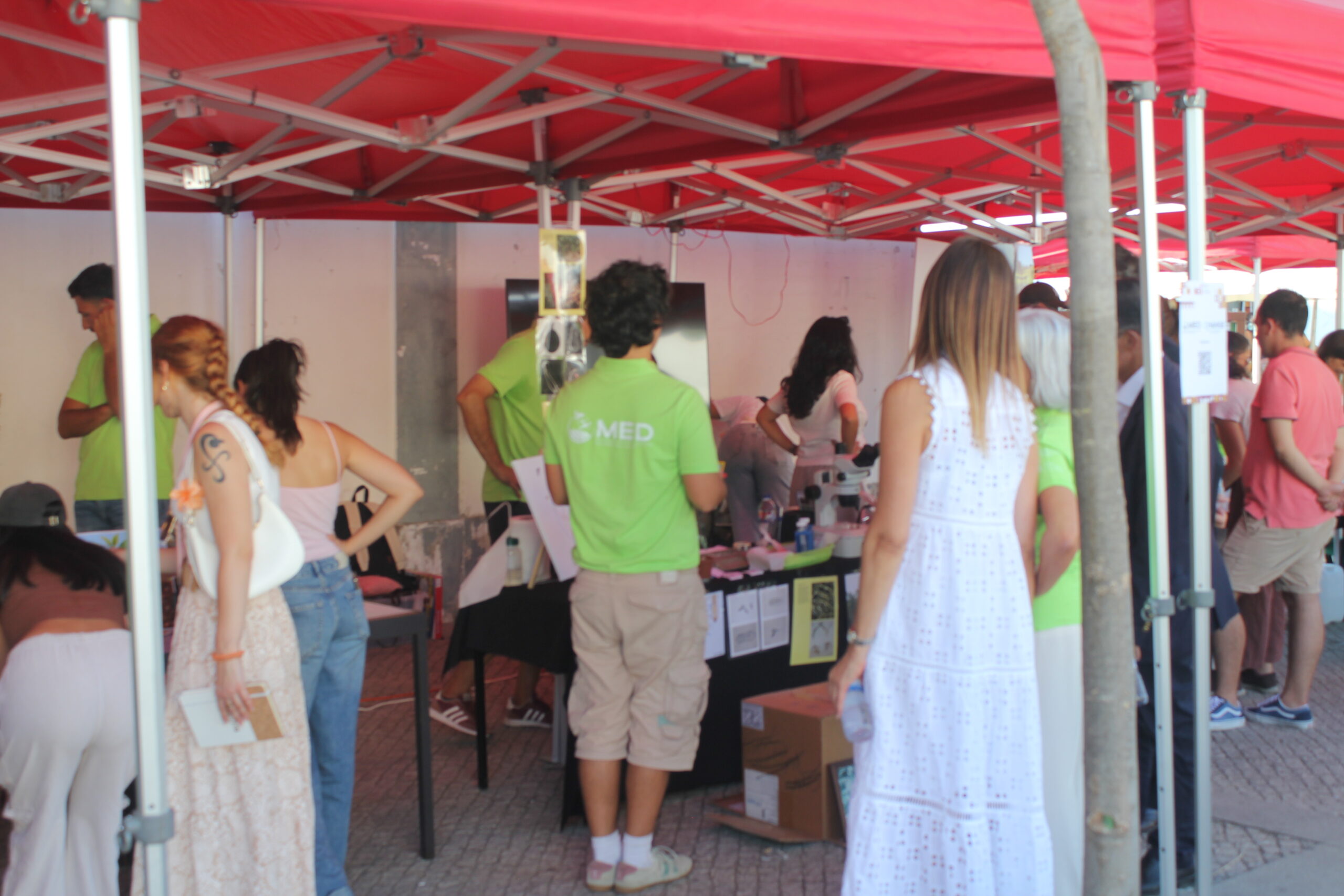
On 25 September, the European Researchers’ Night – Évora 2026 brought science to the heart of the city, attracting around 1,860 visitors, 470 researchers and over a hundred activities in Praça 1.º de Maio and other venues across Évora.
Under the motto “Science Meets the City”, the programme combined demonstrations and hands-on activities, games and quizzes, themed tours, music, theatre and guided tastings, reflecting the diversity of research carried out at the University of Évora and by the various participating organisations.
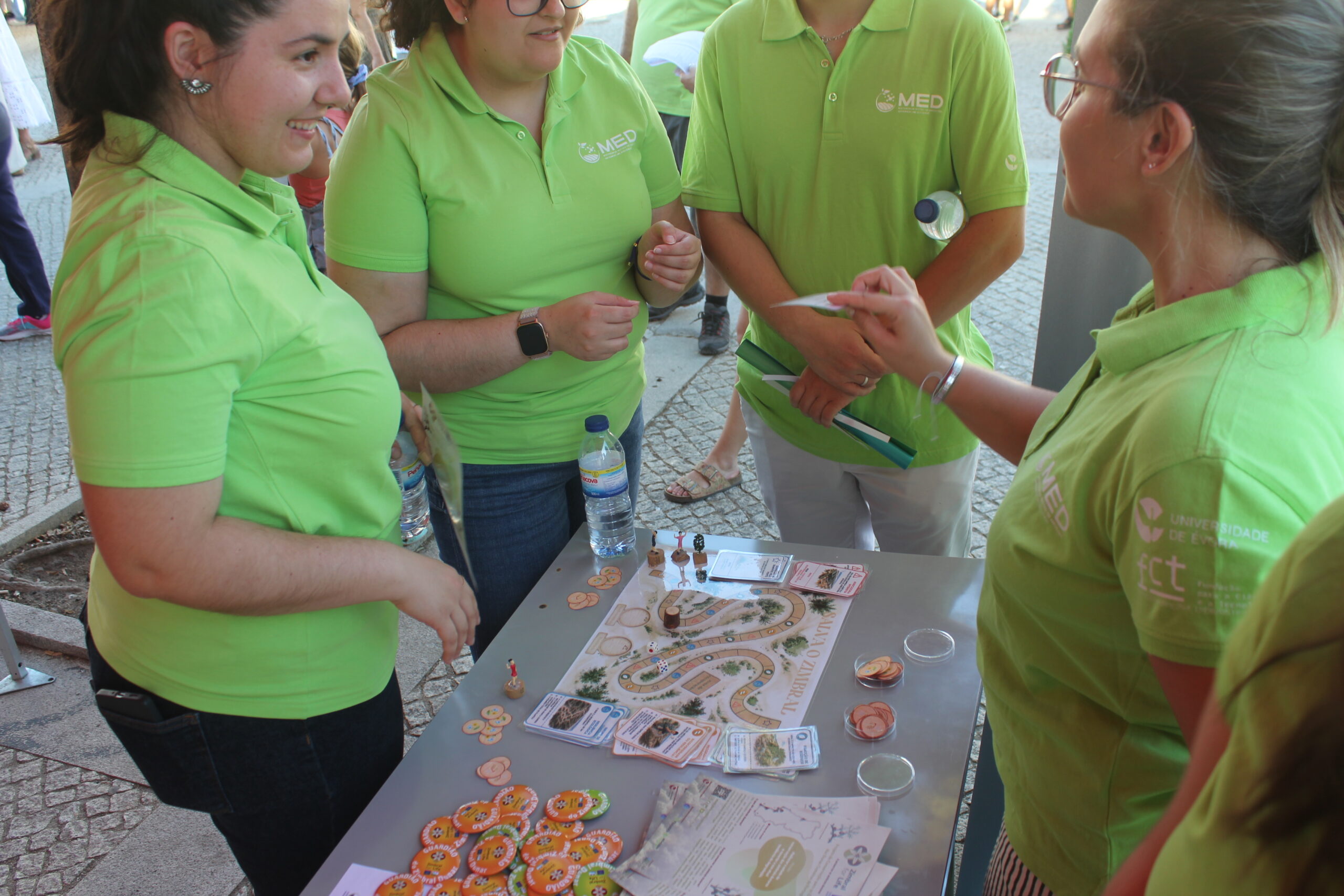
MED took charge of coordinating the Évora edition through Luís Gomes, and also played a central role in its organisation, working in collaboration with IIFA, the University of Évora’s Research Units, Évora City Council and a wide network of institutional and regional partners.
The organising team comprised Raquel Eustáquio (University of Évora), Sofia Eufrázio (MED – University of Évora), and Elsa Oliveira, representing Évora City Council. For the first time, and on the initiative of the coordination team, the City Council was directly involved in the organising team, thereby strengthening the link between the University and the city during the preparation of the initiative – a link reflected in the motto chosen for 2026.
The scale achieved was the result of several months of coordination between research units, researchers, University departments, the City Council, partners and the teams responsible for the various scientific, cultural, technical and logistical aspects of the initiative.
98 researchers and 27 MED activities
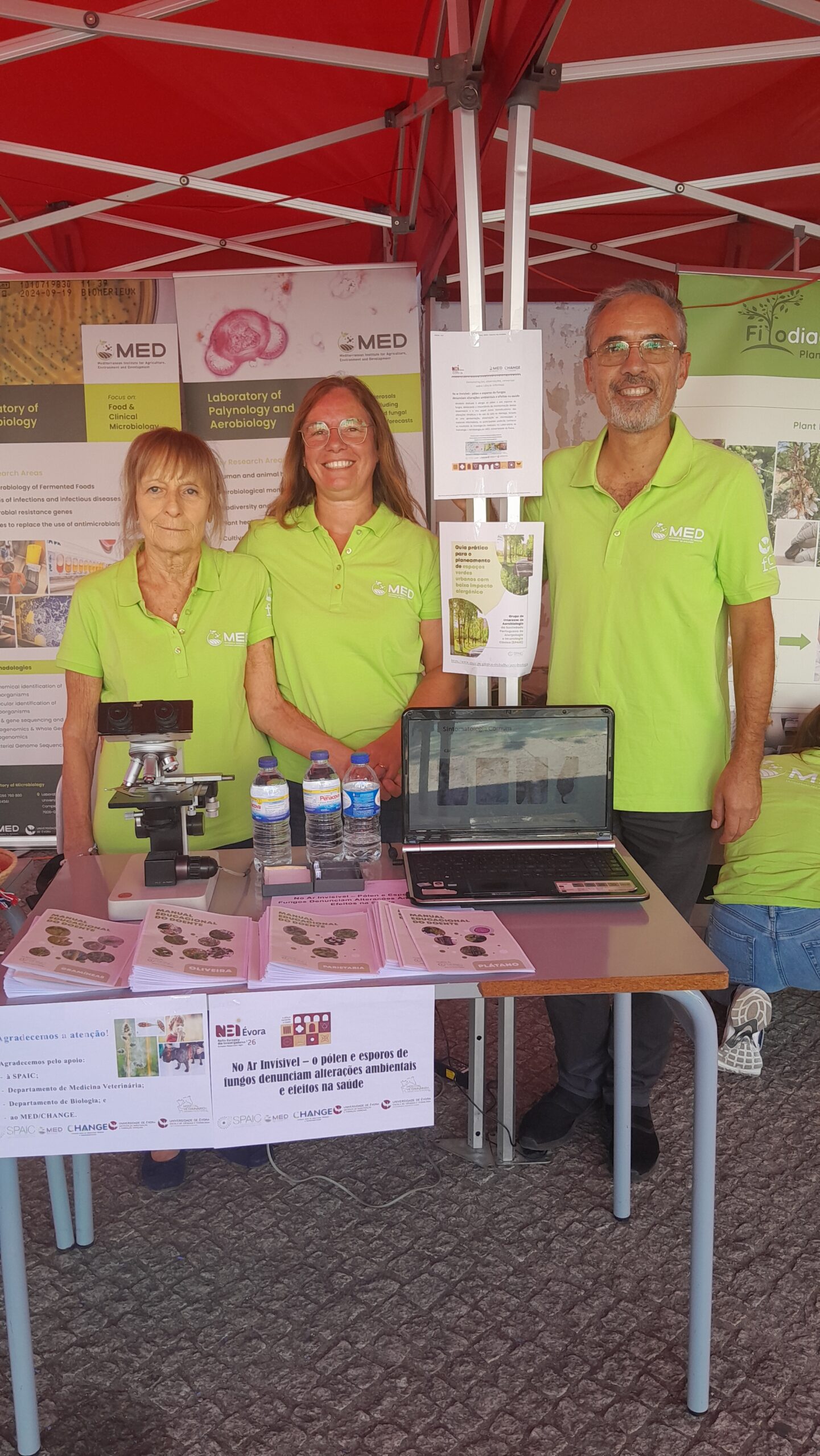
In addition to its role in coordinating and organising the Évora edition, the MED made a particularly significant scientific contribution, involving 98 researchers in 27 activities.
The programme showcased various aspects of the research carried out at the Institute, ranging from biodiversity and conservation to agriculture, food, biotechnology, animal production, soils, health, microbiology, environmental change and artificial intelligence.
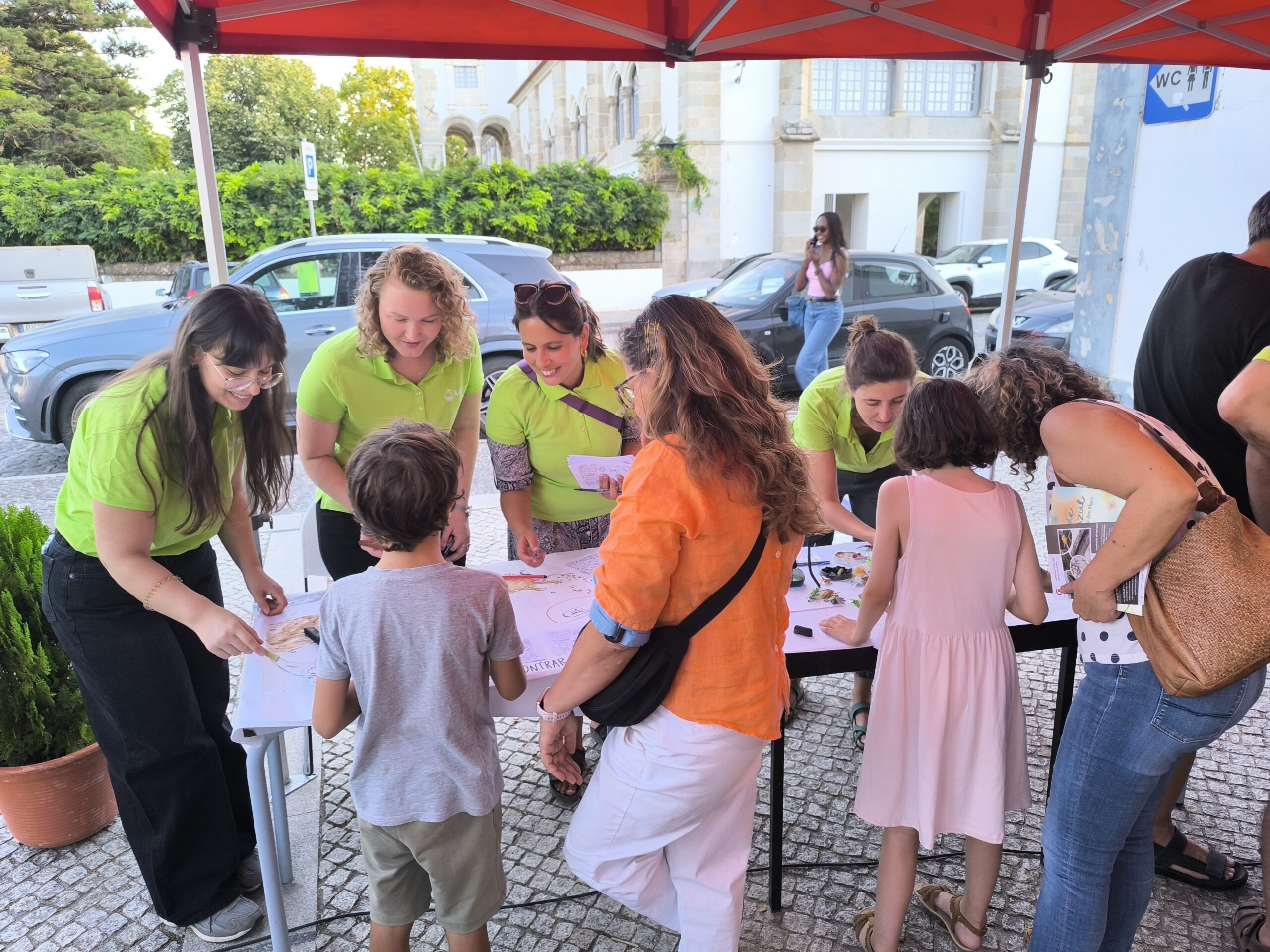
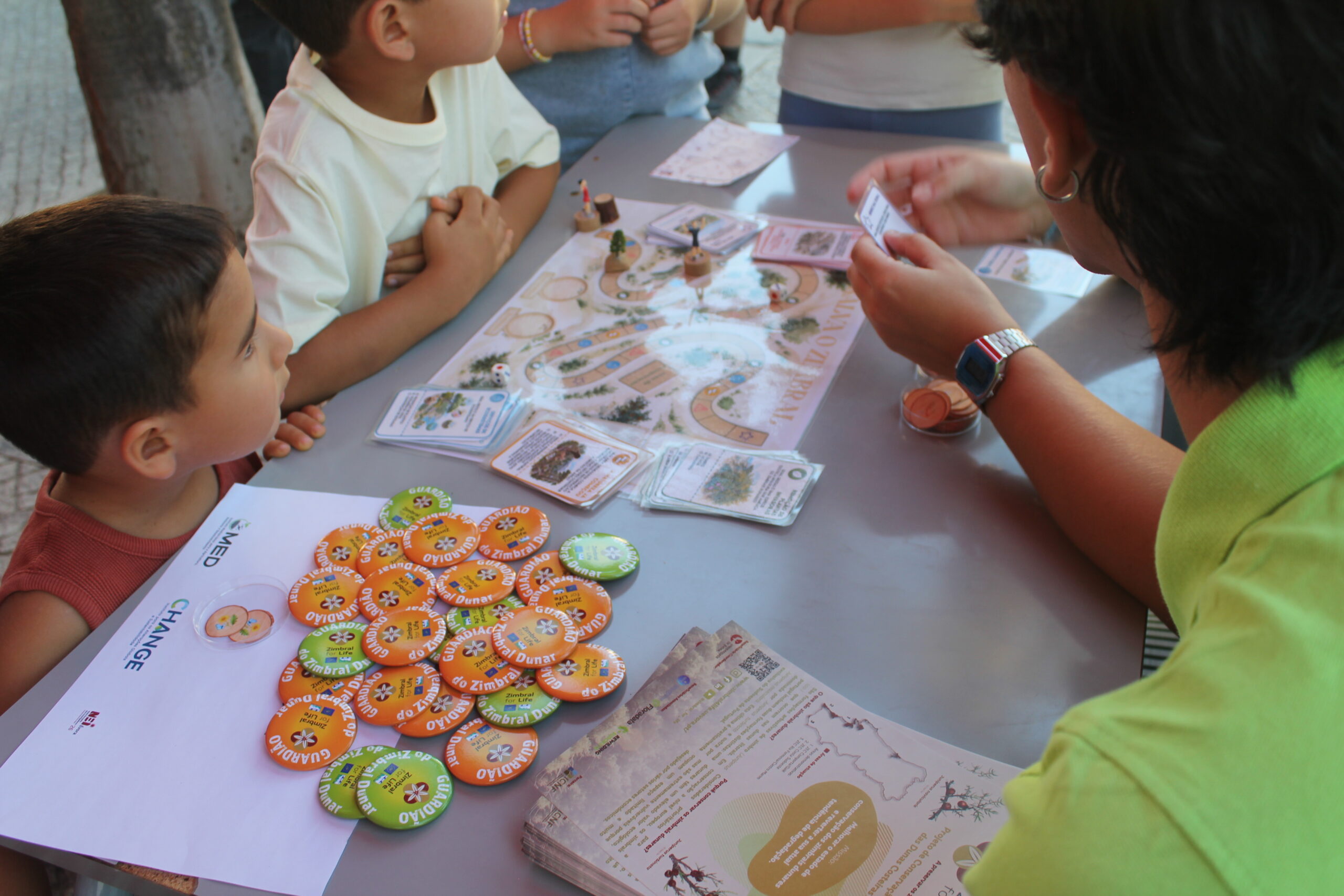
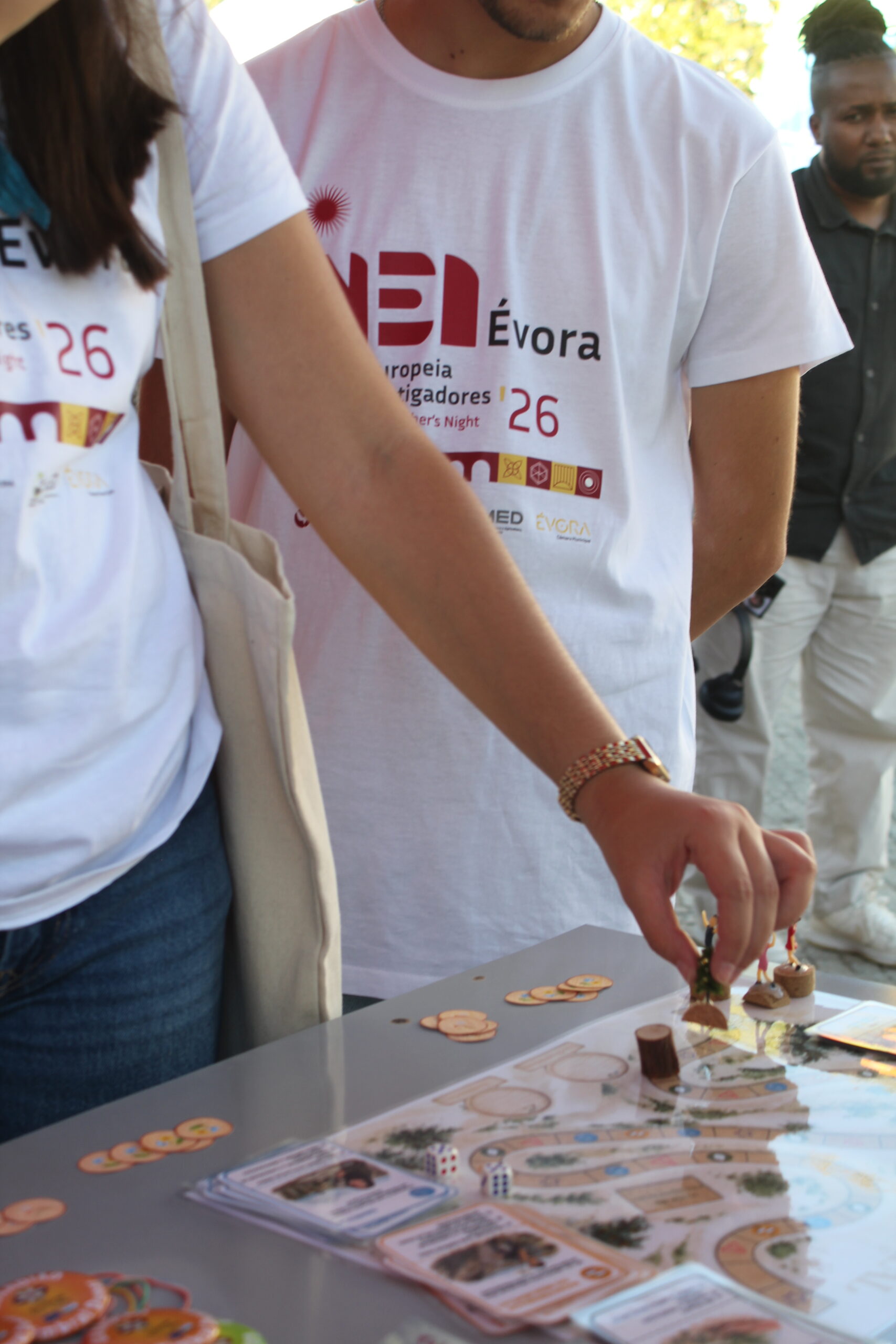
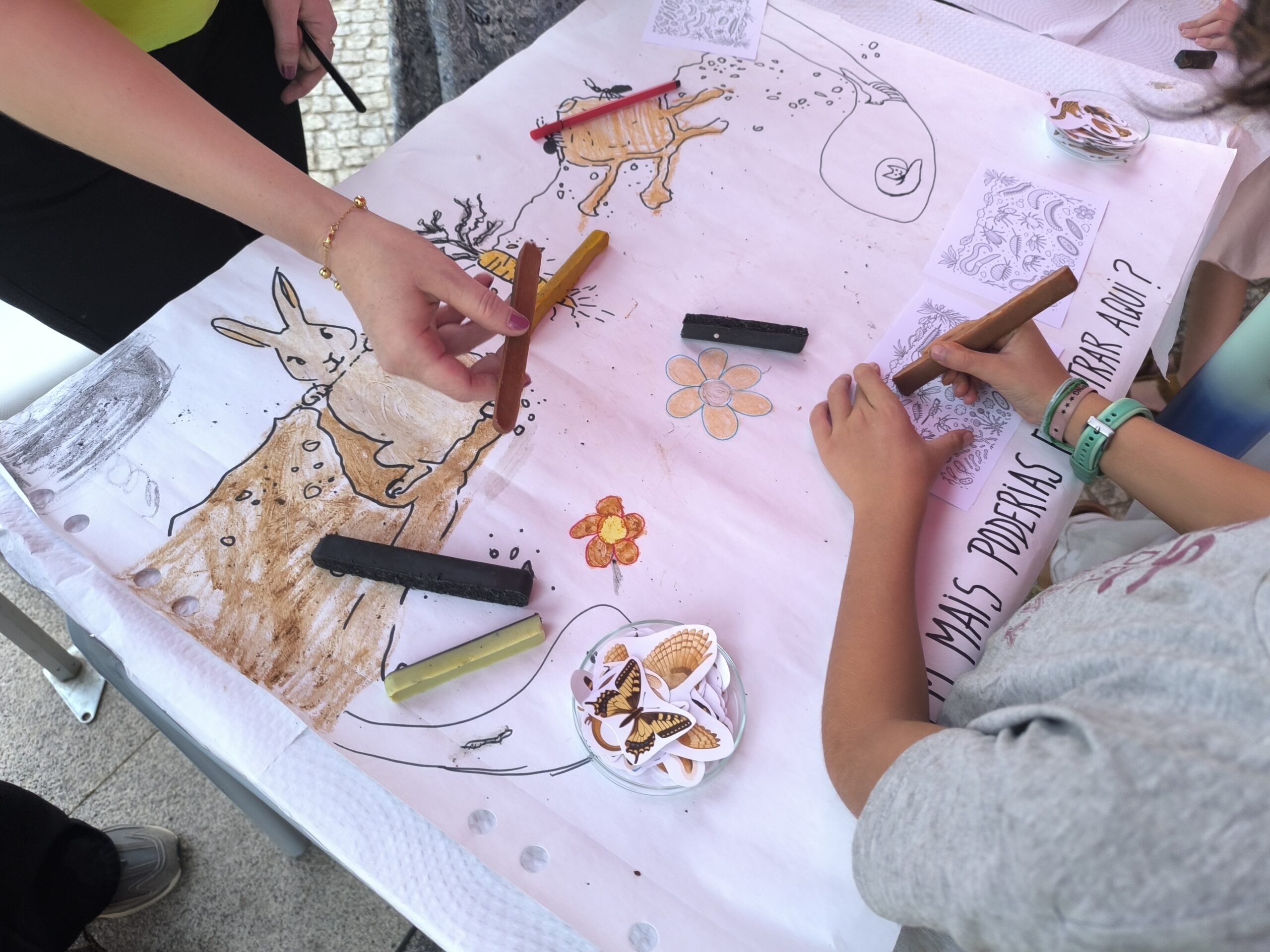
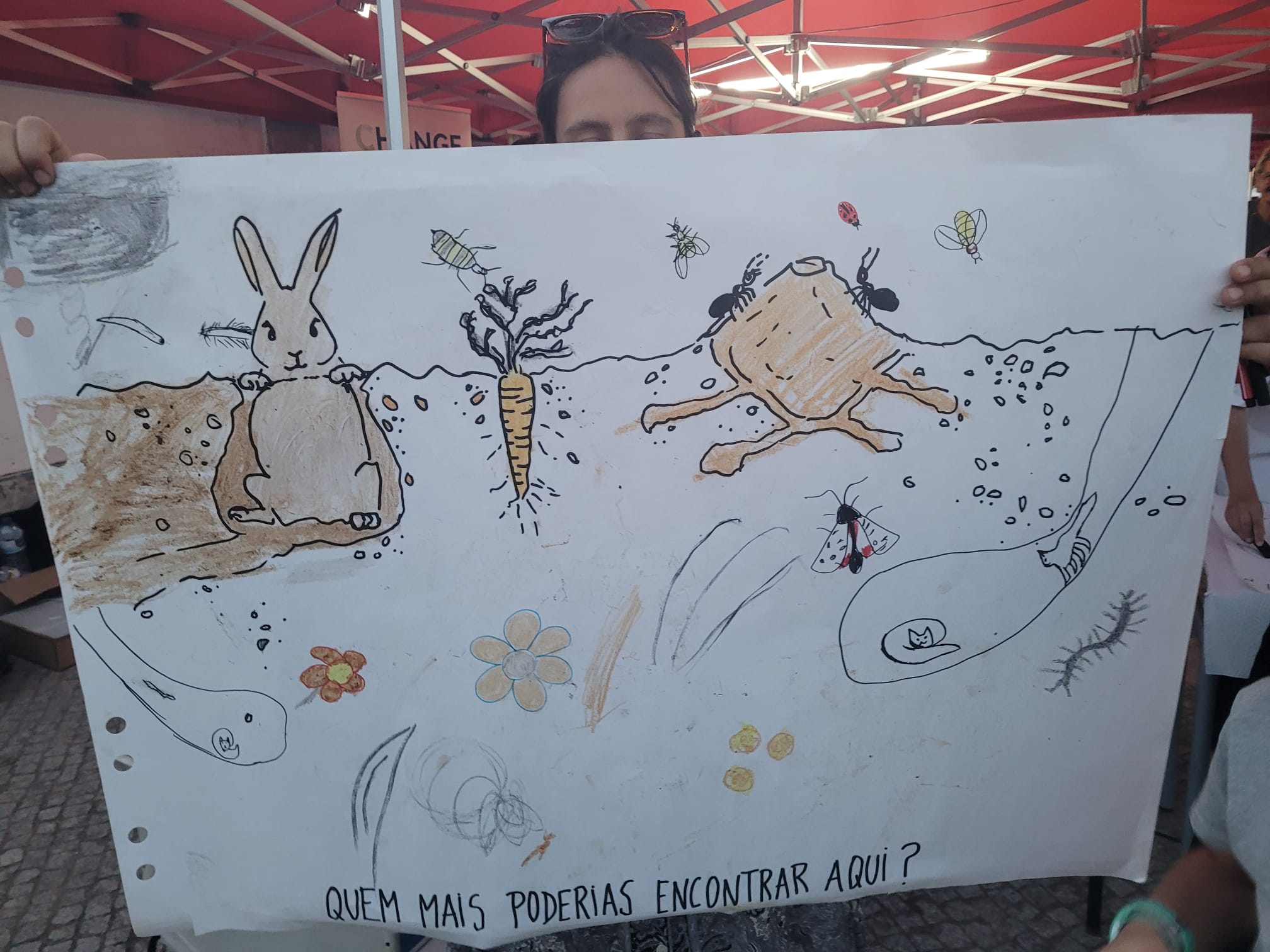
Amongst the offered activities were “Race for Survival”, the “Plant Forensic Laboratory”, which invited the public to uncover the identity of a plant through DNA analysis, activities involving the observation of insects and microorganisms, experiments with natural pigments and soils, the use of artificial intelligence in the artisanal production of Serpa PDO cheese, and a trail dedicated to bats and acoustics in the Public Garden.
This diversity sought to transform scientific questions, methods and results into participatory experiences, bringing researchers and the public closer together and enabling people to learn not only what is being researched, but also how knowledge is constructed.
Science, territory and knowledge transfer
The link between research and the local area was also one of the key aspects of the programme put together specifically for this edition.
Examples included the guided olive oil tastings led by Miguel Ferro, a researcher at MED – CEBAL, which introduced the public to specialist knowledge regarding the quality and sensory analysis of olive oil. The sessions involved the participation of CEPAAL – the Centre for the Study and Promotion of Alentejo Olive Oil – and Casa Relvas, creating a space for direct interaction between research, products with a strong regional identity and the local community.
The connection to the local area was also evident through partners such as Herdade da Amada, during the guided wine tastings, and Cervejaria Magnífica, with guided craft beer tastings, integrating into the NEI different forms of knowledge, the promotion of regional products and direct contact with the public.
Rather than simply bringing partners together within a programme, this component sought to bring research, specialist knowledge, regional production and the local area closer together, reinforcing a dimension of knowledge transfer that is particularly relevant to MED’s mission.
When science and culture also come together
The 2026 edition also sought to combine science with different forms of cultural expression.
The MUSA Project – Music for Environmental Awareness, an initiative of MED, formed part of the musical programme, featuring performances by Diogo Costa, João Pinho and José Henriques, whilst TACUÉ – the Academic and Community Theatre of the University of Évora presented Calma! Ainda estamos a ensaiar (*Calm down! We’re still rehearsing*), a show that blended creation, error, interruption and sharing.
These elements reinforced a choice that shaped the organisation of this edition: to view the NEI not merely as a venue for presenting scientific findings, but as a meeting point between research, the local area, culture and public participation.
The overall assessment of this edition has been very positive, both in terms of public engagement and the strong involvement of the Research Units, researchers, students, University departments, the local council and partners.
Rather than just ensuring the coordination and organisation of an event of this scale, MED sought to contribute to a programme capable of building bridges between science and the public, knowledge and the local area, and research and culture, whilst simultaneously strengthening the Institute’s role in communicating and transferring knowledge and in forging relationships with various stakeholders in the region.
The 2026 edition thus gave concrete expression to the motto that guided the entire initiative:
Science has met the City!