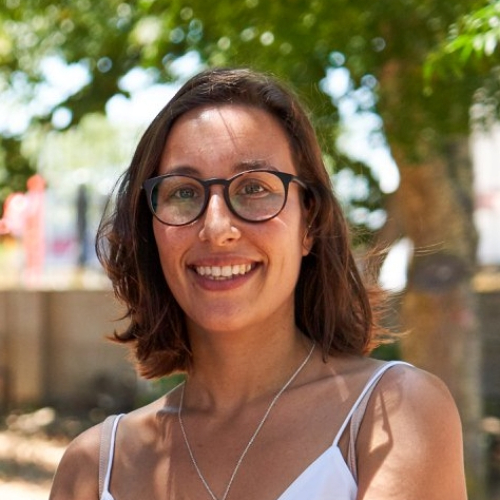
After graduating with a degree in Environmental Engineering in 2010, I immediately applied and completed my master's degree in the same field at the Agricultural School of the Polytechnic Institute of Beja. Although my degree has given me a strong background in the field of environmental quality assessment, my master’s degree in Environmental Engineering also allowed me to deepen my knowledge in this area, particularly during my master's traineeship at CEBAL, where I approached the Valorization of lignocellulosic biomass: Studies of enzymatic saccharification of Cardoon and Rockrose. Since then, I have worked as a researcher fellow on the Bioactive Compounds Research Group at CEBAL, under the supervision of Dr. Maria de Fátima Duarte, where I was awarded two fellowships within the projects: ValBioTecCynara - Economic valorization of Cardoon (Cynara cardunculus): study of natural variability and biotechnological applications (ALT20-03-0145-FEDER-000038 ALENTEJO 2020) and MedCynaraBioTec - Selection of Cynara cardunculus Genotypes for New Biotechnological Applications: the value chain improvement of cardoon, a well-adapted Mediterranean crop (ALT20-03-0145-FEDER-039495). During the last few years, I have been acquiring experience in a wide range of chemical and biochemical procedures through the characterization of the biological potential of extracts from different biomasses, chemical characterization/quantification, as well as cell and molecular biology techniques. Since 2020, I have been a PhD student in the BEAG doctoral program at the University of Lisbon. The research focuses on molecular markers. The project intends to study the development of molecular markers to select the best cardoon genotypes for cynaropicrin production, leading to the basis for a future breeding program. With great biological activity, Cynaropicrin can be valorized within different industries, with pharmaceutical and biotechnological options being the ones with greater added value. Chemical Cynara carcunculus profile, genetic variability, transcriptomic studies, and identification of potential molecular markers associated with cynaropicrin traits will be assessed.