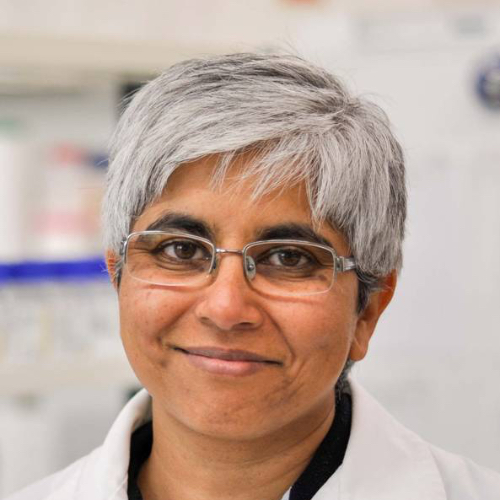
Maria da Conceição Fernandes holds a PhD in Environment from the University of Seville. She completed her doctoral studies in Environment and Production Technology at the Universidad de Sevilla, earning a DEA in Media Environment and Production Technology. She obtained a Master's Degree in Analytical Chemistry with applications to Biochemical Processes in 1998 from the University of Évora, and graduated in Applied Chemistry with a Biotechnology focus in 1991 from the Faculty of Sciences and Technology at Nova University of Lisbon. Currently, she leads the Process Engineering Group and is a member of Technology Transfer at the Centro de Biotecnologia Agrícola e Agro-Alimentar do Alentejo (CEBAL). She is a full researcher at the Mediterranean Agricultural and Environmental Sciences Institute (MED) of the University of Évora. She has published 24 articles in peer-reviewed journals, contributed to two book chapters, and received six awards and honors. She has participated as a researcher in several projects and served as the principal investigator for one. Her research areas include Engineering Sciences and Technologies, with a focus on Environmental Biotechnology. Throughout her career, she has collaborated with 47 co-authors on scientific publications. Her areas of expertise include converting biomass into bioproducts via biochemical platforms in the biorefinery, studying the effects of hydrothermal pretreatments such as autohydrolysis and dilute acid, enzymatic hydrolysis, fermentation, and producing value-added bioplastic precursors like lactic acid from lignocellulosic biomass. She also researches 2nd generation bioethanol, resistance mechanisms to inhibitors generated during biomass pretreatment in Escherichia coli, bio-detoxification of hydrolysates using Geobacter sulfurreducens to produce electricity, biohydrogen production from wastewater, process engineering, wastewater treatment, membrane technology, and agro-industrial by-products. She has supervised several students, including four doctoral theses, three postdoctoral projects, and four master's theses.